Travel after surgery
How Soon Can You Fly After Knee Replacement?
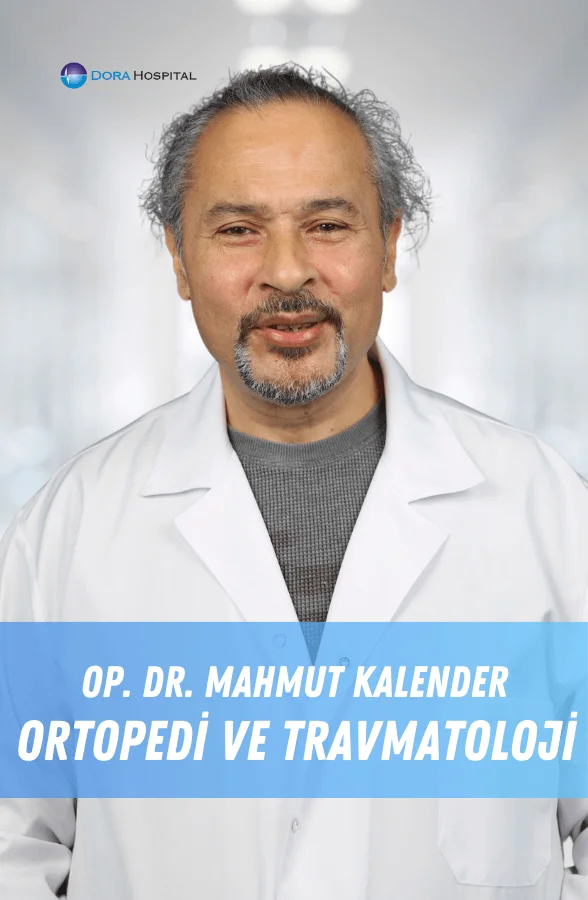
If you’re coming from the US for knee replacement, the flight home is part of your plan from day one. Dr. Kalender decides when you’re ready to fly based on how you’re recovering and your risk of blood clots, and his team helps you plan the trip around that.
- Fitness to fly assessed personally by Dr. Kalender
- Clot prevention planned for the long flight
- Usually one night in the hospital, then rest in Istanbul
Before you book
The short answer
How soon can you fly after knee replacement?
There’s no single number of days that’s right for everyone. Leaving the hospital and being ready for a long flight are two separate decisions. After you leave the hospital, you rest nearby in Istanbul while Dr. Kalender checks your recovery. He clears you to fly once he’s satisfied it’s safe, and you get a personal plan for the journey. Your expected return date is discussed with you before you book your trip.
Why it matters
Why a long flight after surgery needs planning
Any recent surgery, and especially surgery on the legs, raises the risk of blood clots. Long flights add to that risk because you sit still for hours. The CDC notes that travel of more than four hours increases the chance of a clot in the legs, known as deep vein thrombosis (DVT).
That doesn’t mean you can’t fly. It means the timing and the journey itself should be planned, not left to chance. That’s why your flight home is part of Dr. Kalender’s plan from your first consultation.
Part of Dr. Kalender’s approach. His pain-free knee replacement approach is built around the first days after surgery: pain kept as low as possible, walking with support the day after surgery and, for most patients, just one night in the hospital. Being on your feet early is also how you start preparing for the journey home. See the full recovery timeline →
Cleared by your surgeon
How Dr. Kalender clears you to fly
Before you leave Istanbul, Dr. Kalender checks four things in person. You leave with written instructions for the flight and for your first days at home.
How you're walking
You should be moving confidently with your walking aid.
Your wound and your knee
He checks that healing is on track before you travel.
Your clot risk
Your health history and any clot-prevention medication you need for the trip.
Your comfort
Whether you can sit through a long flight and manage the airport.
Planning your trip from the US?
Your trip home
Flying home to the USA: how the trip is planned
Before you book
Your expected stay in Istanbul is discussed during your consultation, so you can plan time off and book a flexible return.
Your seat
An aisle seat makes it easier to stretch your leg and get up. Extra legroom helps if it’s available.
Airport help
Ask your airline for wheelchair assistance through the airport, even if you can walk. A companion who can carry bags is strongly recommended.
Airport security
Your new knee may set off metal detectors. Tell the security officer before screening.
See how the whole trip works →
On the plane
On the plane: movement, compression and hydration
Small habits during the flight make a real difference to your clot risk and your comfort. Dr. Kalender’s team goes through them with you before you fly.
01 · Every 1 to 2 hours
Get up and move
Walk the aisle when it’s safe to do so. Even a short walk keeps the blood flowing in your legs.
02 · In your seat
Keep your calves working
Do ankle pumps and calf squeezes every 20 to 30 minutes, and drink plenty of water. Limit alcohol and coffee.
03 · Before you board
Compression and medication
Wear compression stockings if Dr. Kalender recommends them, and keep any clot-prevention medication and painkillers in your carry-on.
Questions about the flight home?
After you land
Symptoms to watch for after the flight
Contact a doctor promptly if you notice swelling, pain, warmth or redness in your calf or leg, especially if it’s only on one side. These can be signs of a blood clot.
Call 911 or get emergency care right away if you have sudden shortness of breath, chest pain or a fast heartbeat.
Once you’re home, Dr. Kalender’s team stays in touch remotely, and we recommend keeping your local doctor informed.
FAQ
Flying after knee replacement: your questions answered
How soon can you fly after knee replacement?
It depends on your recovery and your clot risk. Dr. Kalender clears each patient individually before a long flight, and your expected return date is discussed before you travel.
Is it safe to fly after knee replacement?
For most patients, yes, once their surgeon has cleared them and they follow a plan to lower the risk of blood clots.
Do I need compression socks to fly after knee replacement?
They’re often recommended for long flights after surgery. Dr. Kalender will tell you whether you need them.
Will my knee replacement set off airport security?
It may. Let the security officer know you have a knee implant before screening.
Do I need business class to stretch my leg?
More legroom helps, but it isn’t required. An aisle seat and regular movement matter most.
Can someone travel with me?
Yes, and it’s recommended. A companion can help with bags and with getting around the airport.
Free online consultation
Plan your surgery and your trip home with Dr. Kalender
Send your X-rays or MRI and talk to Dr. Kalender about your knee, your recovery and your travel, by video and in English.